Winter transforms your jewelry care routine into something far more demanding than you might expect. The season's harsh conditions—plummeting temperatures, moisture-laden snow, and air so dry it seems to pull moisture from everything—create a perfect storm of challenges for your most treasured pieces.
Your fine jewelry faces real threats during these months:
Book a Jewelry Care Consultation
- Cold temperatures cause metals to contract and become brittle.
- Dry air strips the natural luster from pearls and delicate gemstones.
- Moisture from snow and indoor humidity accelerates tarnishing on precious metals.
These aren't minor inconveniences—they're conditions that can permanently damage pieces you've invested in and cherish.
Proper jewelry care winter practices make the difference between pieces that maintain their brilliance and those that deteriorate season after season.
You need specific strategies:
- Smart wearing habits that shield your jewelry from direct cold exposure
- Storage solutions that combat moisture and temperature swings
- Cleaning techniques designed for winter's unique demands
This guide walks you through each protective measure to keep your luxury jewelry maintenance on point throughout the coldest months.
Understanding Winter's Impact on Fine Jewelry

Winter weather creates a hostile environment for your precious pieces through three primary mechanisms that directly threaten their integrity and appearance.
1. Metal Contraction in Cold Weather
Cold temperatures force metals like gold and silver to contract at the molecular level. This contraction places stress on delicate settings, prongs, and joints. You might notice rings feeling looser on your fingers during winter months—not just because your fingers shrink, but because the metal itself compresses. This metal contraction cold weather phenomenon increases the risk of:
- Prongs loosening and gemstones falling out
- Chains developing weak points or breaking
- Clasps failing to secure properly
- Intricate designs cracking under repeated temperature stress
2. Dry Air's Effect on Organic and Porous Gems
Winter's notoriously dry air strips moisture from organic materials and porous gemstones. Pearls, opals, turquoise, and amber are particularly vulnerable to this gemstone brittleness winter brings. These pieces can develop surface cracks, lose their characteristic luster, or become permanently damaged when exposed to prolonged dry conditions. The lack of humidity essentially dehydrates these natural materials, causing them to become fragile and dull.
3. Moisture-Related Damage
Snow, sleet, and indoor humidity fluctuations introduce another threat. When moisture contacts metal surfaces, especially silver and lower-karat gold alloys, tarnish forms rapidly. This oxidation process dulls the shine you love and can penetrate intricate engravings or textured surfaces. Gemstones with treatments or coatings may also experience accelerated deterioration when repeatedly exposed to moisture followed by dry indoor heating.
Best Practices for Wearing Jewelry in Cold Weather
Your approach to wearing jewelry during winter months directly impacts its condition and longevity. The key to successful winter jewelry wearing tips starts with strategic placement and protection.
Shield Your Pieces from Direct Cold
Tuck delicate chains and pendants beneath scarves, turtlenecks, or high-collared coats. This simple habit creates a protective barrier that maintains consistent temperature around your jewelry. Your body heat naturally warms the metal, preventing the stress that comes from rapid temperature changes when moving between indoor and outdoor environments.
Slip bracelets under long sleeves and position watches beneath cuff edges. These practices protect rings from snow exposure and harsh wind conditions that can accelerate wear.
Protect Rings from Winter Hazards
Remove all rings before:
- Shoveling snow or scraping ice from windshields
- Building snowmen or engaging in snowball activities
- Handling frozen objects or cold metal surfaces
Cold temperatures cause your fingers to shrink, creating a dangerous situation where rings can slip off unnoticed. The risk of losing a cherished piece in a snowbank or scratching precious metals against icy surfaces isn't worth the gamble.
Master the Art of Layering Necklaces with Scarves
Position necklaces over your scarf rather than tucking them underneath. This styling choice prevents chains from tangling in fabric fibers and reduces friction that dulls metal finishes. You'll also avoid the frustrating experience of untangling delicate chains from knitted textures when removing your winter accessories.
If you're looking for high-quality jewelry pieces that can withstand the winter season while still maintaining their beauty, consider exploring some Best Sellers from reputable jewelers like Gabriel Fine Jewelers. Their top-rated products combine quality and style, making them perfect for any occasion, even in cold weather!
Optimal Storage Solutions for Winter Jewelry Care
Your jewelry storage winter strategy makes a significant difference in preserving your pieces during harsh weather conditions. Temperature fluctuations can cause metals to expand and contract repeatedly, weakening settings and potentially loosening stones. You need to store your fine jewelry in a consistent environment—ideally a climate-controlled room away from windows, exterior walls, and heating vents.
Proper storage containers protect your pieces from physical damage:
- Soft cloth pouches prevent scratches when pieces touch each other
- Lined jewelry boxes with individual compartments keep items separated
- Fabric-lined drawers offer cushioning against accidental impacts
Moisture control jewelry becomes critical during winter months when indoor heating creates dry air while outdoor conditions bring snow and humidity. You should place silica gel packets in your storage containers to absorb excess moisture that could lead to tarnish or corrosion. These small packets work continuously to maintain optimal humidity levels around your pieces.
Anti-tarnish strips use represent another essential component of jewelry care winter routines. These specially treated strips release compounds that neutralize the sulfur in the air—the primary cause of tarnishing on silver, gold, and other metals. You can place these strips directly in your jewelry boxes or storage pouches for continuous protection. Replace them every six months to maintain their effectiveness in preserving your jewelry's original shine and luster throughout the cold season.
Winter Jewelry Cleaning Techniques
Winter conditions require a different approach to cleaning jewelry that takes into account the specific challenges of the season. Your cleaning routine should protect your pieces from the extra stress that cold weather puts on metals and gemstones.
1. The Lukewarm Water Method
Gentle jewelry cleaning in winter starts with temperature-controlled water. Mix a few drops of mild dish soap with lukewarm water—never hot or cold—to create a safe cleaning solution. Hot water can shock delicate stones, while cold water fails to effectively dissolve oils and residues. Soak your pieces for 5-10 minutes, then use a soft-bristled brush to gently remove accumulated dirt from crevices and settings.
2. Critical Drying Protocol
The drying phase becomes non-negotiable during winter months. After rinsing with clean lukewarm water, pat each piece completely dry with a lint-free cloth. Any residual moisture can freeze in cold conditions or accelerate tarnishing in heated indoor environments. You should allow pieces to air-dry for an additional 30 minutes before returning them to storage, ensuring no hidden moisture remains in clasps or stone settings.
3. Chemical Avoidance
Harsh chemical cleaners pose amplified risks during winter. Ammonia-based solutions, ultrasonic cleaners, and abrasive polishes can strip protective layers from metals already stressed by temperature fluctuations. These products may cause brittleness in pearls and opaque gemstones that winter air has already compromised. Stick to pH-neutral, jewelry-specific cleaning solutions or the simple soap-and-water method for consistent jewelry care throughout the cold season.
Selecting Winter-Friendly Jewelry Materials and Designs
Your choice of jewelry materials plays a significant role in how well your pieces withstand winter's harsh conditions. Durable metals cold weather can handle include platinum and higher karat gold, which offer superior resistance to the contraction and stress that lower temperatures create.
Platinum: The Ideal Choice for Daily Wear
Platinum jewelry benefits extend beyond its natural white luster. This dense metal maintains its structural integrity even when temperatures plummet, making it an ideal choice for engagement rings and wedding bands you wear daily. Platinum's durability means it won't crack or bend as easily as softer metals when exposed to cold air, and its hypoallergenic properties remain consistent regardless of weather conditions.
18K Gold: A Beautiful and Resilient Alternative
High karat gold winter wear provides another excellent option for cold-weather jewelry. 18K gold contains a higher percentage of pure gold mixed with stronger alloy metals, creating a balance between beauty and resilience. This composition helps the metal resist the contraction issues that plague lower karat alternatives during temperature drops.
Designs That Prioritize Security and Protection
When selecting designs for winter wear, you should prioritize pieces with secure settings. Bezel settings, where metal surrounds the entire perimeter of a stone, offer better protection than prong settings that can catch on winter clothing. Tension settings and channel-set designs also minimize the risk of stones loosening when metal contracts in cold conditions.
Look for jewelry with smooth, rounded edges rather than intricate details that can snag on scarves, gloves, and heavy coats. Simple, streamlined designs not only reduce the risk of damage but also complement winter fashion's layered aesthetic.
Protecting Jewelry During Outdoor Winter Activities
Winter adventures bring unique risks to your fine jewelry that go beyond temperature concerns. When you're planning skiing, snowboarding, or even building snowmen with family, jewelry safety snow sports becomes a critical consideration. The best protection? Leave your precious pieces at home. Rings can easily slip off cold-contracted fingers into snow banks, while necklaces risk catching on equipment or clothing during physical activity.
If you choose to wear jewelry outdoors, ring guards winter protection offers an essential safeguard. Rubber ring guards create a snug fit that prevents rings from sliding off shrinking fingers. You can also opt for shorter chain lengths that sit closer to your neck, reducing the chance of snagging on scarves, zippers, or sports gear.
Creating an outdoor winter jewelry care kit transforms how you maintain pieces while away from home. Pack these essentials in a small pouch:
- Soft microfiber cleaning cloths for quick polishing
- Individual fabric pouches for safe storage
- Ring guards in multiple sizes
- A small resealable bag for temporary jewelry removal
This jewelry care winter kit proves invaluable during day trips, ski vacations, or winter hiking excursions. You can quickly remove pieces before activities and store them safely, then clean and inspect them before wearing again. The compact size fits easily in your jacket pocket or backpack, ensuring your jewelry receives proper attention even when you're miles from home.
Routine Inspection and Professional Maintenance Before and During Winter
Your jewelry deserves a thorough checkup before winter's harsh conditions set in. Professional jewelry maintenance winter appointments should become as routine as winterizing your home—ideally scheduled in late fall before temperatures drop significantly. A trained jeweler can identify vulnerabilities you might miss, from microscopic cracks in metal to prongs that have worn thin over time.
Why Loose Stone Inspection is Critical in Cold Weather
Loose stone inspection cold weather checks are particularly critical because temperature fluctuations cause metals to expand and contract repeatedly. What seems like a secure setting in autumn might develop dangerous gaps by mid-January. You should examine your pieces weekly during winter months, gently wiggling stones to detect any movement. Pay special attention to:
- Prong settings that may have loosened from metal contraction
- Clasps showing signs of weakening or stress
- Surface scratches that could deepen with continued cold exposure
- Discoloration indicating moisture damage
The Importance of Pre-Winter Cleaning Service Appointments
Pre-winter cleaning service appointments remove built-up residue that traps moisture against metal surfaces, creating ideal conditions for tarnish and corrosion. Professional ultrasonic cleaning reaches areas your home care routine cannot, ensuring your pieces enter winter in optimal condition.
Expert Jewelry Repair Services for Comprehensive Assessments
Gabriel Fine Jewelers' expert jewelry repair services provide comprehensive assessments using specialized equipment to detect issues invisible to the naked eye. Their technicians can re-tip worn prongs, tighten settings, and address minor damage before winter weather transforms small problems into costly repairs.
Enhancing Your Winter Jewelry Experience with Gabriel Fine Jewelers
Winter is the perfect time to invest in jewelry pieces that are specifically designed to withstand the challenges of the season. At Gabriel Fine Jewelers, a leading jewelry store in Modesto, CA, we specialize in creating custom jewelry that combines durability with stunning beauty. Our custom fine jewelry can be worn confidently by Modesto CA residents throughout the coldest months.
Designing Winter-Friendly Jewelry
When you work with our design team, you have the opportunity to specify features that are ideal for winter wear. These include:
- Secure prong settings to keep gemstones in place
- Higher karat gold selections for added strength
- Gemstone choices that are resistant to temperature fluctuations
This personalized approach ensures that your luxury personalized jewelry is not only visually appealing but also built to withstand harsh conditions.
Comprehensive Services for Jewelry Care
In addition to custom design, we offer a range of services that cater specifically to winter jewelry care. Our expert staff provides:
- Professional cleaning and polishing tailored to winter conditions
- Setting inspections to prevent stone loss during temperature changes
- Metal reinforcement for pieces showing signs of cold-weather stress
- Specialized treatments for pearls and delicate gemstones affected by dry air
Our year-round maintenance programs are designed to keep your collection in pristine condition regardless of the season. We understand the unique demands that winter months bring when it comes to jewelry care, and we offer guidance on proper storage, cleaning schedules, and protective measures.
Elevate Your Winter Wardrobe
Whether you're designing a new piece of jewelry specifically for winter or looking to maintain your existing collection, our expertise in fine jewelry care ensures that your treasured items remain as brilliant as the day you acquired them.
In addition to our custom offerings, we also have a stunning collection of lab-grown fine jewelry available. These ethically sourced pieces are incredibly durable and perfect for the winter season.
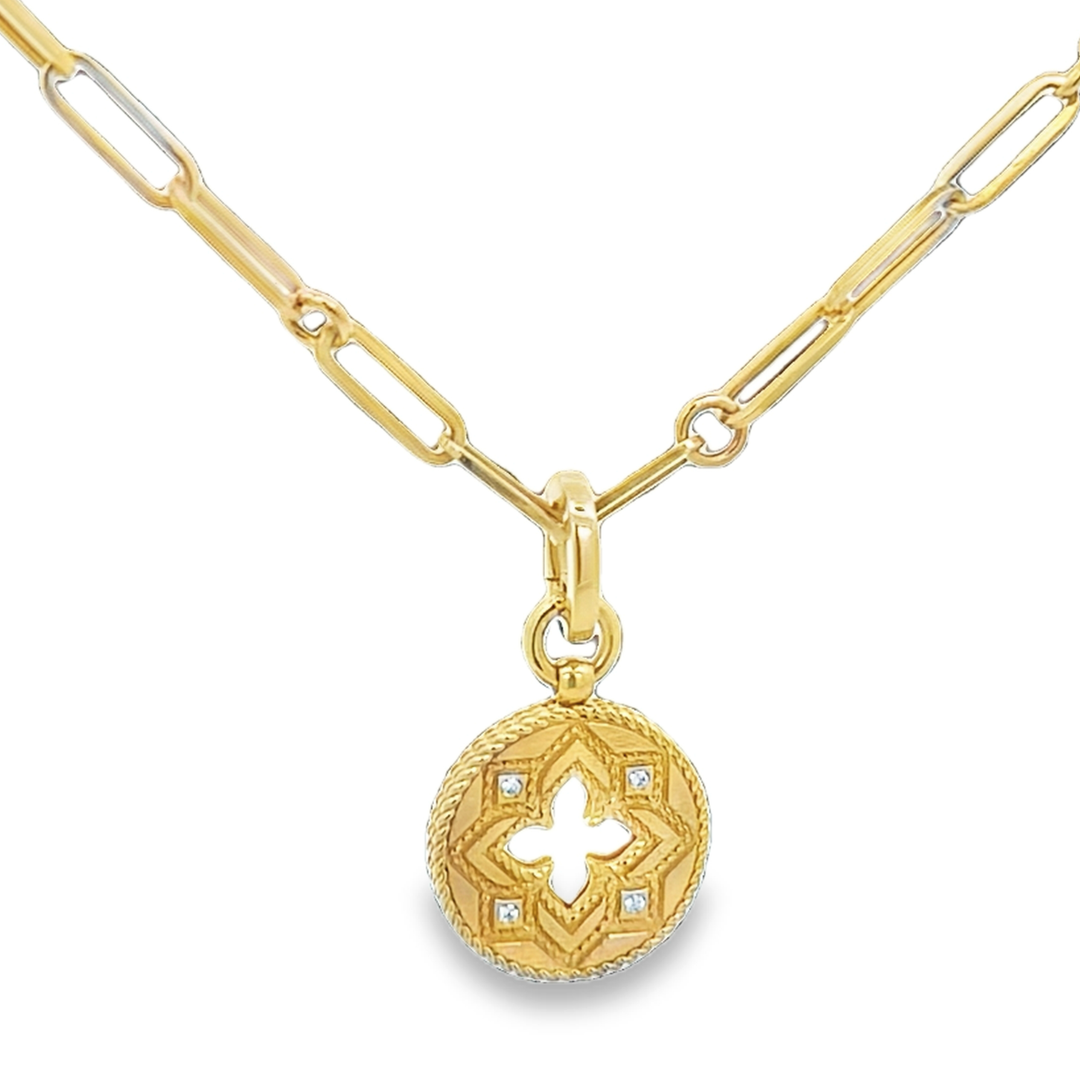
For those seeking to enhance their winter wardrobe with elegance, our selection of fine jewelry necklaces and pendants offers luxurious options that exude subtle sophistication.
FAQs (Frequently Asked Questions)
Why is winter a challenging season for fine jewelry care?
Winter poses unique challenges to fine jewelry care due to cold, dry, and moist conditions that can affect the longevity and beauty of valuable pieces. Metals contract in low temperatures, gemstones may become brittle, and exposure to moisture from snow and humidity can cause tarnish and loss of luster. A seasonal checkup with our team via Gabriel Fine Jewelers services helps you prepare your collection before the cold sets in.
How does cold weather impact metals and gemstones in jewelry?
Cold temperatures cause metals like gold and silver to contract, increasing the risk of damage such as cracking or loosening of settings. Dry winter air can lead to brittleness or dullness in pearls and delicate gemstones, while moisture exposure can cause tarnishing. Our specialists can evaluate vulnerable pieces and recommend adjustments or repairs through our Jewelry Repair in Modesto services.
What are the best practices for wearing jewelry during winter?
To protect jewelry in cold weather, keep pieces warm under clothing like scarves and gloves to avoid direct exposure, and remove rings before handling snow or icy objects to prevent scratches or loss due to finger shrinkage. When layering necklaces, style them over scarves rather than underneath to prevent tangling and damage. During a care consultation, we can review your everyday pieces and suggest winter-specific wearing tips.
How should I store my jewelry during the winter months?
Store your jewelry in dry environments away from temperature fluctuations to avoid stress on metals and stones. Use soft cloth pouches or lined boxes to prevent scratches, incorporate silica gel packets for moisture absorption, and use anti-tarnish strips to preserve metal shine. Our team can recommend storage products and routines tailored to your collection when you visit our Modesto jewelry store.
What cleaning techniques are recommended for winter jewelry maintenance?
Use gentle cleaning solutions with lukewarm water to safely remove dirt without causing damage, then dry thoroughly to prevent moisture-related issues like tarnish or dullness. Avoid harsh chemical cleaners that can worsen brittleness or discoloration during cold weather. For deeper seasonal refreshes, schedule a professional cleaning through our jewelry services or submit a request via our jewelry & watch repair form.
Which jewelry materials and designs are best suited for winter wear?
Opt for durable metals such as higher karat gold or platinum that better resist contraction and damage in cold climates, and choose designs with secure settings like bezels or channel-set stones. If you’re planning a winter-ready upgrade or redesign, our designers can guide you to cold-weather-friendly options through our custom design services and broader service menu.
Want a winter checkup for your favorite pieces? We’ll handle the details.