Keep Your Jewelry Secure With a Professional Inspection
If a ring catches, a clasp feels loose, or a stone seems “off,” an expert inspection can catch issues early and help prevent loss or breakage.

Understanding the Professional Jewelry Repair Inspection Process
Your engagement ring from Gabriel Fine Jewelers catches on your sweater. The clasp on your grandmother's necklace, one of our luxurious fine jewelry necklaces, feels loose. That diamond in your anniversary band doesn't sparkle quite like it used to. These small signs often indicate your jewelry needs professional attention, yet many people wait until a stone falls out or a chain breaks before seeking help.
A professional jewelry repair inspection serves as preventive care for your most treasured pieces. Just as you wouldn't skip routine maintenance on your car or annual check-ups with your doctor, your fine jewelry deserves the same proactive approach. These inspections catch problems before they escalate into costly repairs or irreplaceable losses.
At Gabriel Fine Jewelers, a trusted name in Modesto custom jewelry and expert repairs, certified technicians understand that your jewelry represents more than monetary value. Each piece carries memories, marks milestones, and often passes through generations. That's why their comprehensive inspection process focuses on preserving both the structural integrity and sentimental significance of every item that comes through their doors.
Benefits of Regular Jewelry Repair Inspections
Regular jewelry repair inspections deliver three critical benefits:
- Prevent stone loss – Worn prongs and loose settings are the leading causes of lost diamonds and gemstones, often resulting in losses worth thousands of dollars
- Maintain value – Well-maintained jewelry retains its resale and insurance value, while neglected pieces depreciate rapidly
- Ensure wearability – Weak clasps, thin chains, and damaged settings create safety hazards that can cause injury or sudden breakage
The difference between a piece that lasts a lifetime and one that requires extensive restoration often comes down to consistent professional care. Whether you're wearing a custom-designed engagement ring from Gabriel Fine Jewelers or a vintage heirloom, understanding what happens during a professional jewelry repair inspection empowers you to make informed decisions about maintaining your collection.
Think of these inspections as insurance policies for your jewelry. You invest in protecting your home, your health, and your vehicles. Your fine jewelry—pieces you wear daily, items valued at thousands of dollars, treasures you plan to pass down—deserves the same level of attention and care.
Not Sure If Your Jewelry Is Still Secure?
A quick professional inspection can help catch loose stones, worn prongs, and weak clasps before they become a bigger problem.
Understanding the Jewelry Repair Inspection Process
A professional jewelry repair inspection is a comprehensive evaluation performed by skilled experts who examine every component of your piece to identify current or potential issues. Think of it as a health checkup for your jewelry—a systematic review that catches problems before they escalate into costly repairs or irreversible damage.
Why You Need a Jewelry Inspection
The jewelry inspection process serves as your first line of defense against wear and tear that naturally occurs over time. When you wear your rings daily, expose your necklaces to lotions and perfumes, or store your pieces without proper care, microscopic changes begin to happen. Metal weakens. Prongs thin out. Clasps lose their grip. These subtle shifts are invisible to the untrained eye but can lead to devastating consequences like lost diamonds or broken chains.
At Gabriel Fine Jewelers, certified technicians Modesto residents trust bring years of specialized training to every inspection. These professionals don't just glance at your jewelry—they use precision tools, magnification equipment, and industry-standard techniques to evaluate each element of your piece. You're not getting a quick once-over from someone behind a counter. You're receiving expert analysis from technicians who understand metallurgy, gemology, and the intricate construction methods that hold your treasured items together.
What Happens During an In-Store Inspection
The in-store inspection experience at Gabriel Fine Jewelers offers you something invaluable: transparency. You can watch as the technician examines your piece, ask questions about what they're seeing, and receive immediate feedback about your jewelry's condition. This face-to-face interaction builds trust and helps you understand exactly what's happening with your investment.
Jewelry maintenance through regular inspections follows a clear objective: preserve your piece in its original glory while catching repairs before they become emergencies. The technician's primary goal isn't to sell you unnecessary services—it's to ensure your jewelry remains safe to wear and beautiful to behold. They're looking for:
- Structural weaknesses that could cause component failure
- Loose stones that risk falling out during normal wear
- Metal fatigue in high-stress areas like ring shanks and chain links
- Damage to settings that compromise stone security
- Wear patterns that indicate future problem areas
How Technicians Conduct Inspections
A thorough jewelry inspection checklist guides the technician through each critical area of your piece. This systematic approach ensures nothing gets overlooked, whether you're bringing in a simple gold band or an elaborate diamond necklace. The inspection moves methodically from one component to the next, documenting findings and prioritizing repairs based on urgency.
The inspection process distinguishes between maintenance needs and restoration requirements. Maintenance addresses normal wear—the kind that happens simply because you love and wear your jewelry. Restoration tackles more significant issues, whether from damage, previous poor-quality repairs, or design flaws that need correction. Understanding this difference helps you make informed decisions about how to care for your pieces.
The Importance of Professional Inspection
You might wonder why professional inspection matters when your jewelry looks fine to you. The answer lies in what you can't see. A prong might appear intact but have thinned to a dangerous degree. A clasp might close properly but have lost the tension needed to stay secure. A chain link might look solid but contain a stress fracture ready to snap. These hidden vulnerabilities only reveal themselves under professional scrutiny—or when your jewelry fails and you lose something irreplaceable.
The inspection also serves as documentation of your jewelry's condition at a specific point in time. This record becomes valuable for insurance purposes, helps track the progression of wear, and establishes a baseline for future comparisons. When you return for your next inspection, the technician can reference previous findings to monitor how your piece is aging.
What Happens During a Professional Jewelry Repair Inspection?
When you bring your treasured pieces to Gabriel Fine Jewelers for a jewelry repair inspection, you're investing in the longevity and security of your collection. The inspection process involves multiple critical checkpoints, each designed to identify potential problems before they escalate into costly repairs or irreversible damage.
1. Prong Check and Stone Tightening
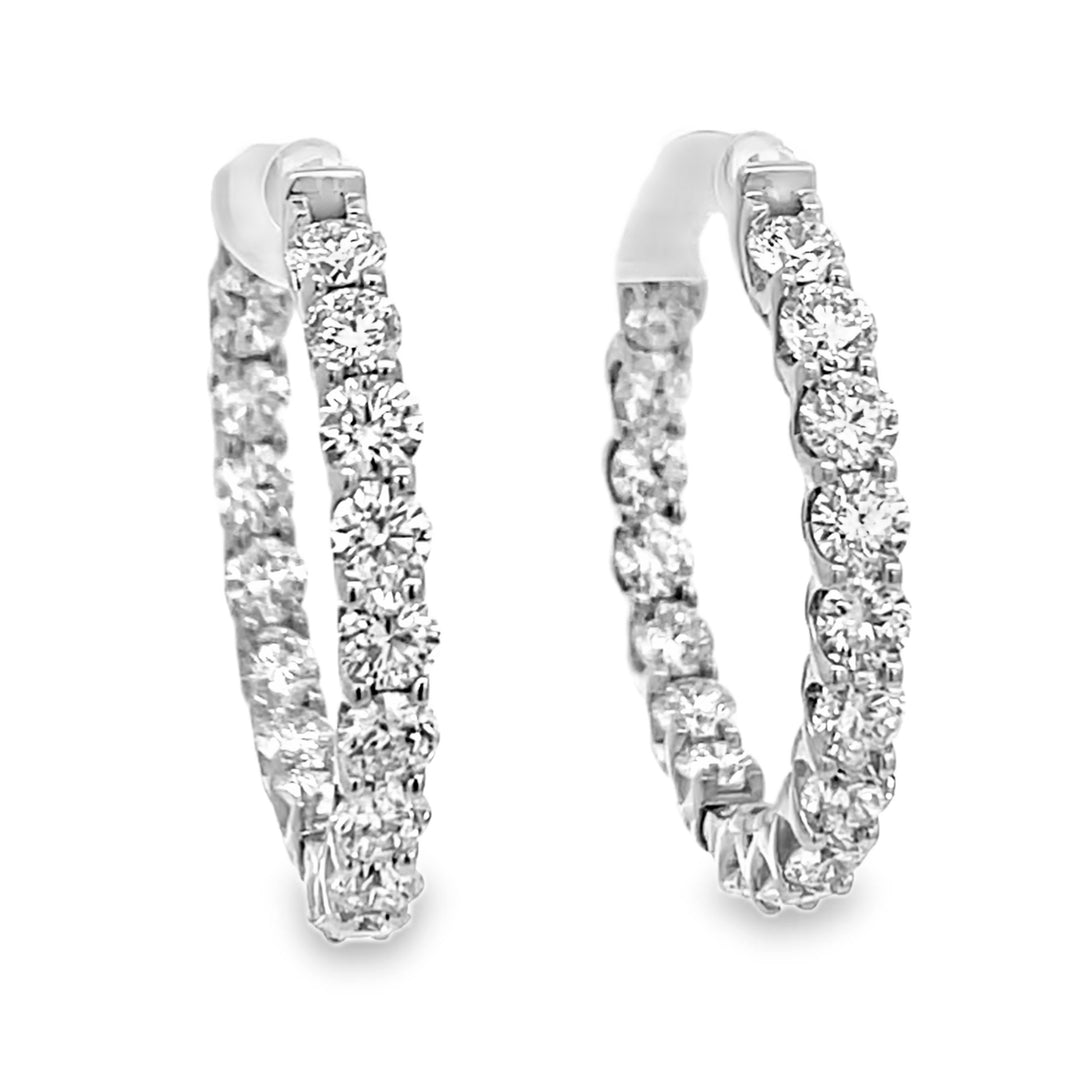
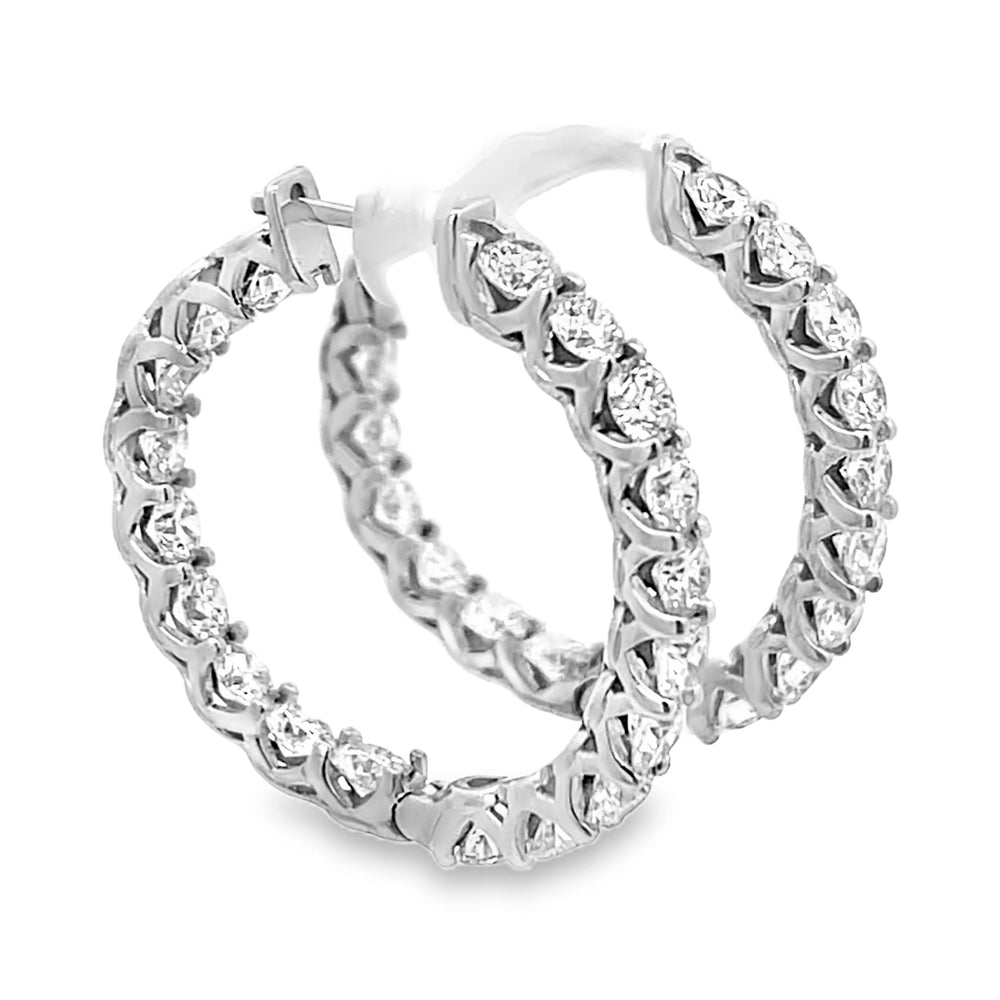
The prong check is the most important part of any thorough jewelry repair inspection. Prongs are the main way to keep your diamonds and gemstones secure, but they go through a lot of stress from everyday wear. Every time you wash your hands, brush your hair, or move your fingers, these delicate metal claws move slightly, which can gradually weaken their grip.
During a prong re-tipping evaluation at Gabriel Fine Jewelers, certified technicians examine each prong closely, looking for specific warning signs:
- Thinning metal where the prong meets the stone
- Bent or misshapen prongs that no longer align properly
- Worn tips that have lost their rounded shape
- Cracks or splits in the metal structure
- Height discrepancies between prongs that should be uniform
You might not notice these subtle changes with your naked eye, but professional jewelers in Modesto use specialized tools to detect even the smallest structural issues. A prong that looks fine to you could be weeks away from letting go of your diamond.
The diamond tightening Modesto process involves more than just pushing prongs back into place. When technicians find loose stones during inspection, they evaluate whether the prongs need:
Re-tipping: This method rebuilds worn prong tips by adding new metal through laser welding or traditional soldering. The jeweler carefully applies precious metal to the compromised area, reshapes it, and polishes it to match the original finish. Re-tipping extends the life of your setting without requiring complete prong replacement.
Prong rebuilding: When prongs show extensive wear or damage, partial or complete reconstruction becomes necessary. This process involves removing the damaged section and crafting a new prong that matches the original specifications. At Gabriel Fine Jewelers, this meticulous work ensures your gemstone security without altering the aesthetic integrity of your piece.
Tightening and burnishing: For prongs in good condition that have simply loosened over time, technicians use specialized tools to gently push the metal back over the stone's girdle. They then burnish the prong tips, creating a smooth, secure hold that won't snag on fabric or hair.
The frequency of prong maintenance depends on your jewelry's age, the metal type, and your wearing habits. White gold prongs typically require attention every 12-18 months, while platinum prongs may last longer due to the metal's density. If you wear your engagement ring daily—especially during activities like gardening, exercising, or household cleaning—you'll need more frequent inspections.
Lost stones represent one of the most heartbreaking jewelry disasters, particularly when the missing gem holds sentimental value. A single loose prong can mean the difference between keeping your grandmother's diamond and losing it forever in a parking lot. The cost of ring resizing Modesto services or prong repair pales in comparison to replacing a lost center stone.
Gabriel Fine Jewelers' technicians don't just check prongs on engagement rings. They examine every piece that enters the shop—tennis bracelets, pendant necklaces, earrings, and anniversary bands.
2. Settings, Clasps, and Solder Joint Evaluation
Your jewelry's structural foundation extends far beyond the prongs holding your precious stones. During a comprehensive jewelry repair inspection at Gabriel Fine Jewelers, certified technicians conduct a meticulous jewelry settings inspection that examines every component keeping your piece intact and secure.
Examining Settings for Hidden Vulnerabilities
Settings come in countless styles—bezel, channel, pavé, tension, and halo designs each present unique structural considerations. Technicians at our Modesto location scrutinize each setting type with specialized tools and magnification to detect:
- Microscopic cracks in the metal surrounding gemstones
- Thinning metal where settings meet the band or shank
- Stress fractures at junction points where multiple components connect
- Worn bezels that no longer provide adequate stone protection
- Compromised channel walls in channel-set pieces
- Weakened gallery rails underneath stone settings
These vulnerabilities often develop gradually through daily wear. You might not notice a hairline crack forming in your ring's cathedral setting, but that tiny fissure can expand over time, eventually threatening the security of your center stone. A pavé band with weakened metal between stones could result in multiple gem losses if left unaddressed.
The inspection process for settings involves both visual examination under magnification and gentle pressure testing. Technicians apply controlled force to assess whether settings move independently from the band—a clear indicator of structural compromise requiring immediate attention.
Clasp Functionality and Security Assessment
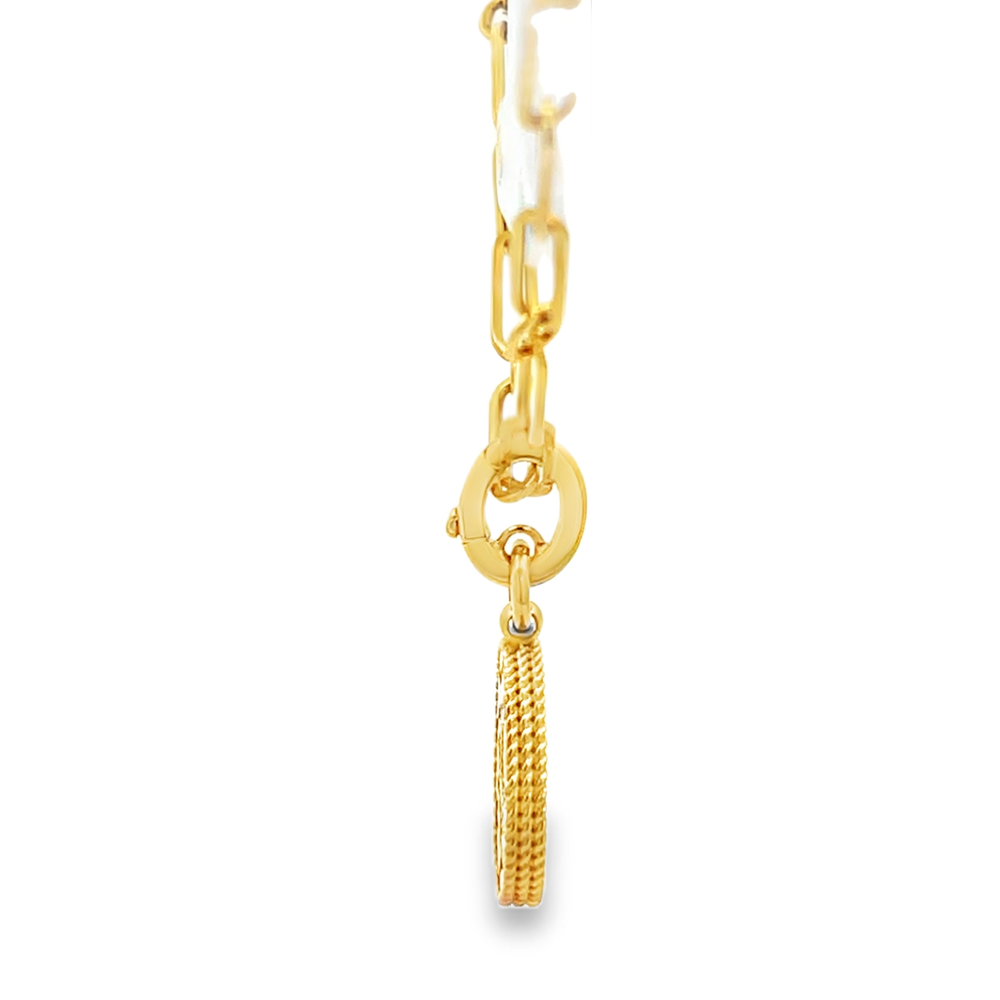
Clasps represent one of the most vulnerable points in any necklace or bracelet. You've likely experienced the frustration of a malfunctioning clasp, but beyond inconvenience, faulty clasps pose a genuine risk of losing your entire piece. Clasp repair CA specialists at Gabriel Fine Jewelers evaluate multiple clasp types during inspections:
- Lobster clasps: Spring mechanism integrity, closure alignment, wear on the trigger mechanism
- Spring ring clasps: Spring tension, circular shape retention, closure gap measurements
- Box clasps: Tongue alignment, safety latch functionality, hinge wear
- Toggle clasps: Bar and ring fit, connection security, decorative element stability
- Magnetic clasps: Magnetic strength, housing integrity, safety mechanism operation
- Barrel clasps: Threading condition, screw mechanism smoothness, end cap security
Technicians test each clasp through multiple open-and-close cycles, checking for smooth operation and secure closure. They measure the gap when closed—even a millimeter of space can allow a chain to slip through. The inspection includes examining the jump rings or soldered connections attaching the clasp to your chain, as these connection points frequently show wear before the clasp itself fails.
For pieces you wear daily, clasp inspection becomes particularly critical. Your favorite necklace that you never remove experiences constant stress from movement, sleeping, and environmental exposure. The spring mechanism in a lobster clasp weakens with repeated use, and the small tongue inside a box clasp can bend from impact.
Solder Joint Integrity Check
Solder joints—the invisible bonds connecting different components of your jewelry—require specialized attention during inspections. These solder joint check procedures identify weaknesses before they result in separated components or complete piece failure.
Every jewelry piece contains multiple solder points:
- Where shanks meet settings in rings
- Chain link repairs from previous work
- Clasp attachments to chains
- Bail connections on pendants
- Charm attachments on bracelets
3. Chain Wear Assessment and Structural Integrity Inspection
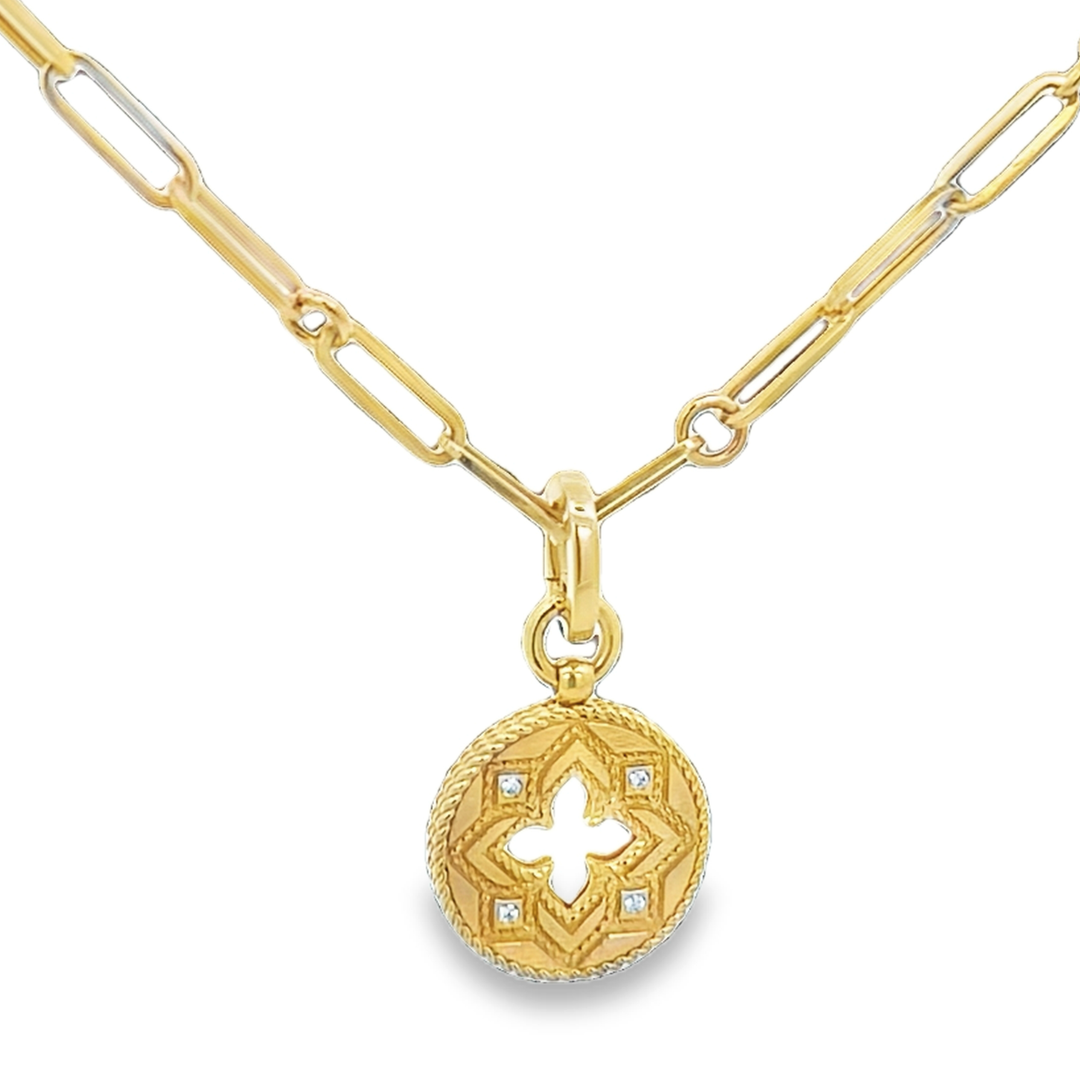
Your delicate gold chain may look perfectly fine on the outside, but there could be hidden weaknesses developing with every wear. That's why chain wear assessment is one of the most important parts of a jewelry repair inspection at Gabriel Fine Jewelers. Our certified technicians carefully examine every inch of your chain's structure.
Understanding the Impact of Daily Wear
Chains go through constant stress from everyday movement, rubbing against clothes, and the natural bending that happens when you wear them. This continuous motion gradually weakens individual links, creating weak points that could break unexpectedly. At Gabriel Fine Jewelers, our technicians know that a broken chain doesn't just mean losing a cherished piece—it often means losing the pendant, charm, or centerpiece attached to it.
The Importance of Visual Examination
During a chain wear assessment, we start by visually examining your chain under magnification. Our technician looks for several clear signs of wear:
- Thinning links where metal has worn away from repeated contact
- Stretched or distorted links that no longer maintain their original shape
- Kinks or bends that indicate stress points in the chain
- Discoloration or dark spots that may signal weak solder joints
- Missing or damaged jump rings that connect chain segments
Going Beyond the Surface: Structural Integrity Inspection
The structural integrity inspection goes deeper than what you can see with your eyes. Our skilled technicians gently manipulate each section of your chain, feeling for any inconsistencies in flexibility or resistance. A healthy chain should have even flexibility throughout its length. When certain areas feel stiffer or looser than others, it indicates potential issues that need immediate attention.
Addressing Compromised Solder Joints
Chain soldering Modesto services become necessary when our technicians find compromised solder joints—the points where individual links connect. These joints bear the full weight of your jewelry and experience the most stress during wear. If we discover a weakened solder joint during an inspection, we can fix it before it leads to a broken chain and lost jewelry.
Reinforcing Attachment Points
The assessment also includes checking the attachment points of your chain's clasp, where it connects to its closure mechanism. These connection points undergo significant stress every time you put on or take off your jewelry. If we find worn attachment rings or weakened solder joints at these critical junctions, we'll reinforce them using professional chain soldering Modesto techniques.
Detailed Inspection for Intricate Designs
For chains with intricate designs—like rope chains, box chains, or Byzantine patterns—we conduct an even more thorough inspection. These complex structures have multiple connection points and interlocking elements that can trap dirt, moisture, and debris. Our technician examines how smoothly the chain moves, listening for grinding sounds or feeling for rough spots that suggest internal damage.
Measuring Chain Thickness
At Gabriel Fine Jewelers' experts use specialized tools to measure chain thickness at various points along its length. By comparing these measurements, we can identify areas where metal has worn thin. This precise approach helps us catch problems before they turn into emergencies.
Discussing Repair Options
When a chain shows significant wear during our assessment, our technician will talk to you about repair options available:
- Reinforcing weak links through targeted soldering
- Replacing severely damaged sections while preserving the original chain
- Adding support links to distribute stress more evenly
- Rebuilding connection points for enhanced durability
Evaluating Pendant Compatibility
The structural integrity inspection also includes evaluating how your chain interacts with pendants or charms. Heavy pendants put extra stress on chains—especially at the bail (the loop connecting pendant to chain). Our technicians check whether your chain's gauge and construction style appropriately support the weight it carries. In some cases, upgrading to a sturdier chain design can prevent future issues while still maintaining the look you love.
4. Cleaning Considerations During an Inspection
While your jewelry repair inspection at Gabriel Fine Jewelers focuses primarily on structural integrity—from prong checks and stone tightening to evaluating clasps, solder joints, and chain wear—the surface condition of your pieces receives careful attention as well. The technician examines how dirt, oils, and residue have accumulated on your jewelry, assessing whether professional cleaning should follow any necessary repairs.
Why Surface Evaluation Matters
You might wonder why cleaning considerations factor into a jewelry repair inspection. The answer lies in visibility and accuracy. A layer of grime can actually obscure potential problems during the inspection process. When your ring or necklace is covered in soap residue, lotion buildup, or everyday dirt, it becomes harder for the technician to spot hairline cracks in settings, worn prongs, or loose stones. That's why the initial assessment includes noting your jewelry's current cleanliness level.
At Gabriel Fine Jewelers in Modesto, technicians document the surface condition as part of the comprehensive jewelry repair inspection. This documentation serves multiple purposes:
- It establishes a baseline for your piece's appearance
- It helps determine the appropriate cleaning method post-repair
- It ensures you receive your jewelry in pristine condition
The Connection Between Repairs and Cleaning
Here's something you should know: professional cleaning typically happens after repairs are completed, not before. This sequencing makes practical sense. When a technician performs prong re-tipping, diamond tightening, or ring resizing in Modesto, the repair work itself can leave polishing marks, flux residue from soldering, or microscopic metal particles on your jewelry. Cleaning before repairs would simply mean cleaning twice.
During the inspection, the technician notes specific areas that will require attention once repairs are finished:
- Stone settings that have trapped debris between the metal and gemstone
- Intricate details in custom designs where polish and oils accumulate
- Chain links where dirt has settled into crevices
- Engraved areas that have darkened with oxidation or grime
- Textured surfaces that hold onto everyday residue
Professional vs. At-Home Cleaning
The inspection reveals whether your piece needs professional cleaning methods or if basic jewelry cleaning tips you can perform at home in Modesto will suffice. Professional cleaning at Gabriel Fine Jewelers involves ultrasonic cleaners, steam cleaning, and specialized solutions that safely remove buildup without damaging delicate settings or gemstones. Some pieces—particularly those with certain gemstones like opals, pearls, or emeralds—require gentler approaches that only trained technicians should perform.
When you bring your jewelry in for a repair inspection, the technician evaluates whether your piece has:
- Heavy buildup requiring ultrasonic cleaning
- Delicate components needing hand-cleaning only
- Porous gemstones that can't withstand certain cleaning methods
- Antique finishes that should be preserved rather than polished to a high shine
The Timing of Professional Cleaning
You'll receive guidance during your jewelry repair inspection about when your piece will be cleaned. If your ring needs prong re-tipping and stone tightening, the cleaning happens after those repairs are complete. If your necklace requires chain repair and clasp replacement, the final polish and cleaning occur as the last step. This ensures your jewelry returns to you in the best possible condition—structurally sound and beautifully clean.
The surface evaluation also helps technicians at Gabriel Fine Jewelers identify whether certain marks or discoloration indicate deeper issues.
DIY Jewelry Care Tips Between Professional Inspections
You can extend the life of your precious pieces and reduce the need for extensive repairs by implementing simple maintenance habits at home. While professional inspections at Gabriel Fine Jewelers remain essential, these jewelry care tips CA residents trust will help you protect your investment between visits.
1. Store Each Piece Separately
Your jewelry needs its own space. Diamonds can scratch other diamonds, and metal pieces can tangle or rub against each other, causing unnecessary wear. Keep each item in individual soft pouches or lined compartments within your jewelry box. This simple step prevents scratches, tangles, and damage that accumulate over time.
2. Remove Jewelry During Physical Activities
You should take off your rings, bracelets, and necklaces before hitting the gym, gardening, or doing household chores. Impact and pressure can loosen prongs, bend settings, or cause structural damage that might not be immediately visible. Swimming pools and hot tubs pose additional risks—chlorine can weaken metal alloys and affect the appearance of certain gemstones.
3. Establish a Gentle Cleaning Routine
A soft-bristled toothbrush and mild dish soap mixed with warm water work wonders for routine cleaning. Gently brush around settings and underneath stones where dirt and oils accumulate. Rinse thoroughly under lukewarm running water (with the drain closed) and pat dry with a lint-free cloth. This method works well for diamonds, sapphires, and rubies, though you'll want to research specific care requirements for softer stones like pearls, opals, or emeralds.
4. Apply Beauty Products First
Hairspray, perfume, lotion, and makeup contain chemicals that can build up on your jewelry and dull its sparkle. Put on all your beauty products first, allowing them to dry completely before adding your jewelry as the finishing touch. This habit keeps your pieces cleaner longer and reduces the frequency of professional cleanings needed.
5. Inspect Your Jewelry Regularly at Home
You can catch potential problems early by examining your pieces weekly. Hold rings up to the light and gently wiggle each stone—you shouldn't feel or see any movement. Check clasps on necklaces and bracelets to ensure they close securely. Run your fingers along chains to feel for kinks or rough spots that might indicate wear. If you notice anything unusual, schedule an appointment at Gabriel Fine Jewelers rather than waiting for your next routine inspection.
6. Know When to Seek Professional Help
Some situations require immediate professional attention. A loose stone, a bent prong, a broken clasp, or a kinked chain shouldn't wait for your next scheduled inspection. These issues can quickly escalate from minor repairs to major problems—or worse, result in lost stones or broken pieces. The team at Gabriel Fine Jewelers can address these concerns promptly, often preventing more costly repairs down the line.
7. Create a Jewelry Maintenance Schedule
You'll benefit from establishing a consistent care routine. Clean your frequently worn pieces weekly, inspect them for issues monthly, and schedule professional inspections every six months. This schedule ensures you're actively maintaining your jewelry rather than reacting to problems after they occur. Keep a simple log noting when you last cleaned each piece or noticed any changes in its condition.
Catch Loose Stones and Wear Before Something Breaks
Bring in rings, bracelets, necklaces, and heirlooms for a professional inspection. We’ll help you understand what’s secure, what needs attention, and what to do next.
Frequently Asked Questions About Jewelry Repair Inspections
How often should I have my jewelry professionally inspected?
You should schedule a jewelry repair inspection every six months for pieces you wear regularly. Engagement rings, wedding bands, and everyday necklaces experience constant wear that can loosen prongs, weaken clasps, and stress metal joints. If you wear a piece daily, Gabriel Fine Jewelers recommends bringing it in twice annually. For special occasion jewelry that spends most of its time in storage, an annual inspection provides adequate protection.
How long does a jewelry repair inspection take?
A standard jewelry repair inspection typically takes 15-30 minutes at Gabriel Fine Jewelers. The certified technician examines your piece thoroughly, checking prongs, settings, clasps, and structural integrity. If your jewelry requires immediate minor adjustments like tightening a stone or adjusting a clasp, the process might extend slightly. For more extensive repairs identified during the inspection, the technician will discuss timeline expectations with you before proceeding.
Is there a cost for jewelry repair inspections?
Many Modesto jewelers, including Gabriel Fine Jewelers, offer complimentary inspections for pieces purchased from their store. This service protects your investment and maintains the relationship between you and your trusted jeweler. For jewelry purchased elsewhere, inspection fees vary. The small investment in a professional jewelry repair inspection prevents costly repairs down the road—replacing a lost diamond costs significantly more than a routine prong check.
What's the difference between a jewelry inspection and a jewelry appraisal?
A jewelry repair inspection focuses on the physical condition and structural integrity of your piece. The technician evaluates wear patterns, security of stones, and functionality of mechanical components. A jewelry appraisal, by contrast, determines the monetary value of your piece for insurance purposes. You need both services, but they serve different functions. Gabriel Fine Jewelers provides both inspections and appraisals to give you complete peace of mind about your precious jewelry.
Can I watch during my jewelry repair inspection?
Absolutely. Reputable jewelers welcome you to observe the inspection process. At Gabriel Fine Jewelers, transparency builds trust. Watching your jewelry repair inspection helps you understand what the technician looks for and why certain repairs matter. You'll learn to recognize warning signs yourself, making you a more informed jewelry owner. The technician can point out specific areas of concern and explain recommended repairs in real-time.
What happens if my jewelry needs repairs during the inspection?
When the inspection reveals necessary repairs, the technician at Gabriel Fine Jewelers discusses your options immediately. You'll receive a detailed explanation of the issue, why it requires attention, and the recommended solution. The jeweler provides a cost estimate and timeline before beginning any work. You decide whether to proceed with repairs on the spot or schedule them for a later date. For minor adjustments like tightening stones, many repairs happen same-day.
Are jewelry repair inspections really necessary for new pieces?
Yes. Even brand-new jewelry benefits from regular inspections. Manufacturing processes, while precise, can occasionally result in prongs that need adjustment or settings that require fine-tuning. Daily wear affects new pieces just as it does older jewelry. Starting inspection habits early protects your investment from day one. Gabriel Fine Jewelers has discovered loose prongs and weak clasps in jewelry only months old—catching these issues early prevents stone loss and costly replacements.
What should I bring to my jewelry repair inspection appointment?
Bring any pieces you wear regularly or have concerns about. Don't limit yourself to rings—bring necklaces, bracelets, earrings, and brooches. If you have documentation like original receipts or appraisals for your items, bring those as well—they can assist our technicians in evaluating your pieces accurately. If you’d like to schedule a visit, you can book an appointment with our team.
FAQs (Frequently Asked Questions)
Why is professional jewelry repair inspection important for my precious pieces?
Professional jewelry repair inspections are essential for maintaining the integrity, value, and beauty of your jewelry. They help prevent potential issues such as stone loss by identifying wear or damage early, ensuring your safety and preserving your cherished items.
What does the jewelry repair inspection process at Gabriel Fine Jewelers involve?
At Gabriel Fine Jewelers in Modesto, certified technicians perform thorough in-store inspections that include checking prongs, settings, clasps, solder joints, chain wear, and assessing the overall structural integrity of your jewelry to maintain or restore its original condition. To learn more about available services, visit our jewelry services page.
How do technicians secure loose stones during a jewelry repair inspection?
Technicians at Gabriel Fine Jewelers use expert methods such as prong re-tipping or rebuilding worn or damaged prongs to tighten diamonds and gemstones securely, preventing costly stone loss and ensuring gemstone security.
What aspects of my jewelry's settings and clasps are evaluated during an inspection?
During a professional jewelry repair inspection, all types of settings are examined for cracks or weaknesses that could compromise durability. Clasps are also checked meticulously to ensure they function properly and provide secure closure to prevent accidental loss.
How is chain wear assessed during a jewelry repair inspection?
Certified technicians evaluate chains for worn links or weak spots that might lead to unexpected breakage. They assess the chain's overall strength and may recommend repairs such as chain soldering to restore durability and longevity.
Can professional cleaning be part of the jewelry repair inspection at Gabriel Fine Jewelers?
Yes, surface condition is evaluated during the inspection to determine if professional cleaning is needed post-repair. This helps enhance the appearance of your jewelry while maintaining its structural integrity.
==================== EXCERPT (max 300 chars) =======================================================================================================================================================================================