Professional Jewelry Care and Inspections
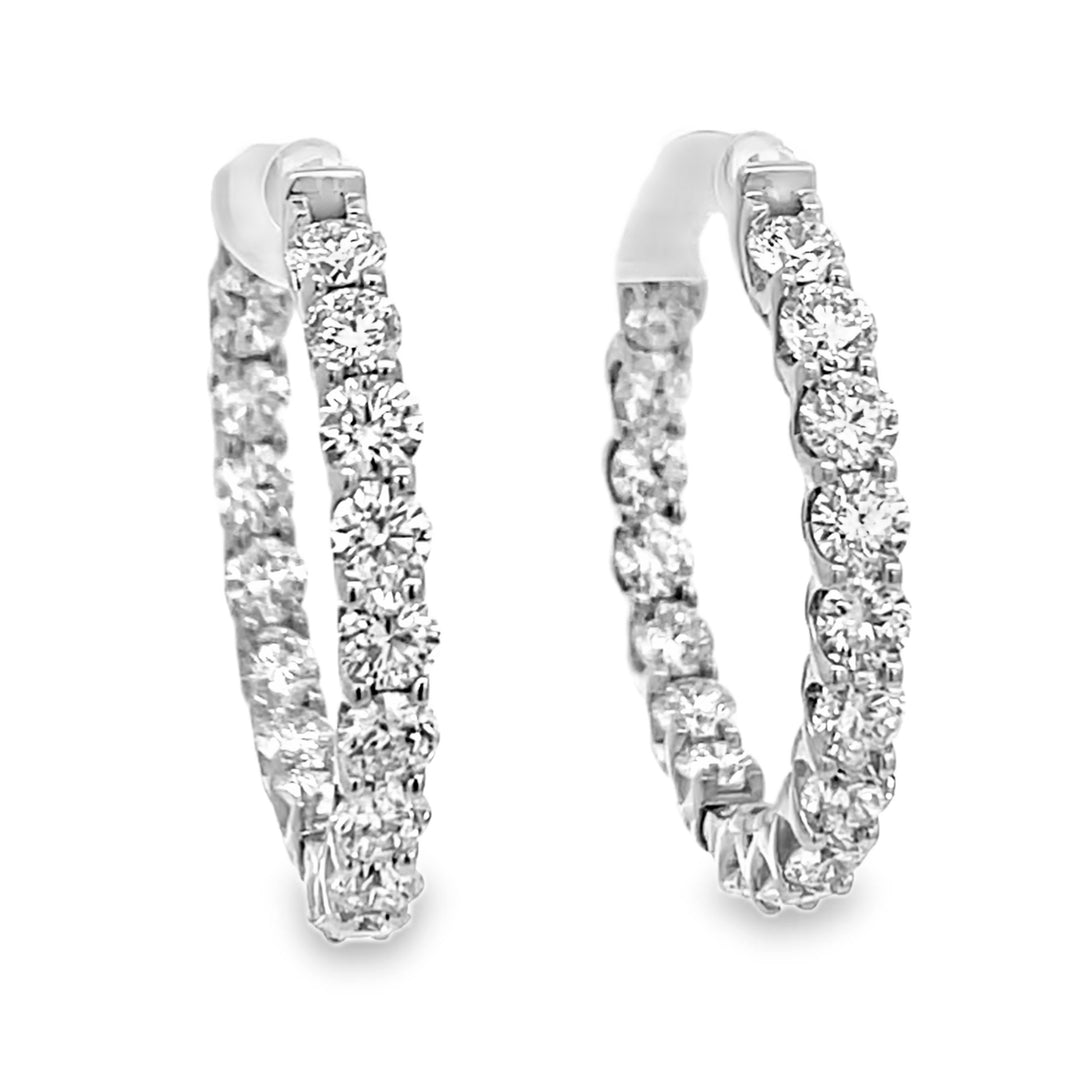
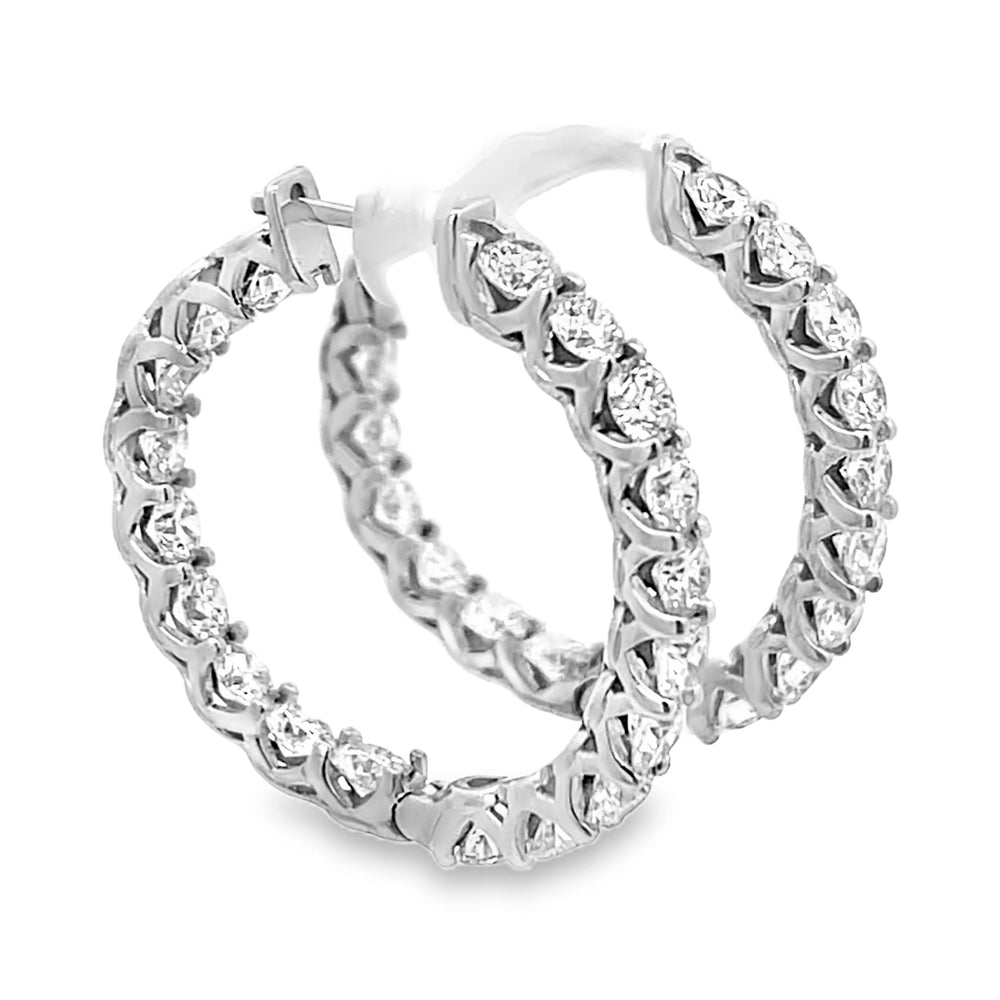
Schedule a complimentary inspection at our Modesto showroom. Our expert jewelers will check prongs, clean your pieces, and ensure your jewelry stays secure and brilliant for years to come.

How to Care for Fine Jewelry So It Lasts a Lifetime
Your fine jewelry is more than precious metals and gemstones—it holds memories, marks milestones, and carries stories passed down through generations. Whether you've invested in a custom engagement ring from Gabriel Fine Jewelers or inherited a treasured heirloom, proper care keeps these pieces brilliant and secure for decades.
The difference between jewelry that loses its sparkle in a few years and pieces that shine for a lifetime comes down to consistent care. I've seen countless clients walk into our Modesto showroom with damaged jewelry that could have been preserved with simple preventive measures. A loose prong that goes unnoticed for months can result in a lost diamond. Daily exposure to harsh chemicals can erode delicate settings. Even tossing your rings into a jewelry box together can cause scratches that diminish their beauty.
Jewelry maintenance doesn't require hours of your time or expensive equipment. You need to know what your specific pieces require and commit to basic care habits. The investment you made in your fine jewelry deserves protection, and the good news is that most damage is preventable.
This guide covers the essential care tips that professional jewelers use to keep their own collections in good shape. You'll discover:
- Daily cleaning techniques that remove damaging buildup without harsh scrubbing
- Storage methods that prevent scratches, tangling, and environmental damage
- The importance of regular prong checks and professional inspections
- Special considerations for treated and delicate gemstones
- How to select safe cleaning products for different metals and stones
- Warning signs that indicate you need immediate professional attention
Each section provides steps you can implement today to extend the life of your jewelry collection. Whether you wear your pieces daily or save them for special occasions, these practices help preserve both their monetary value and sentimental significance.
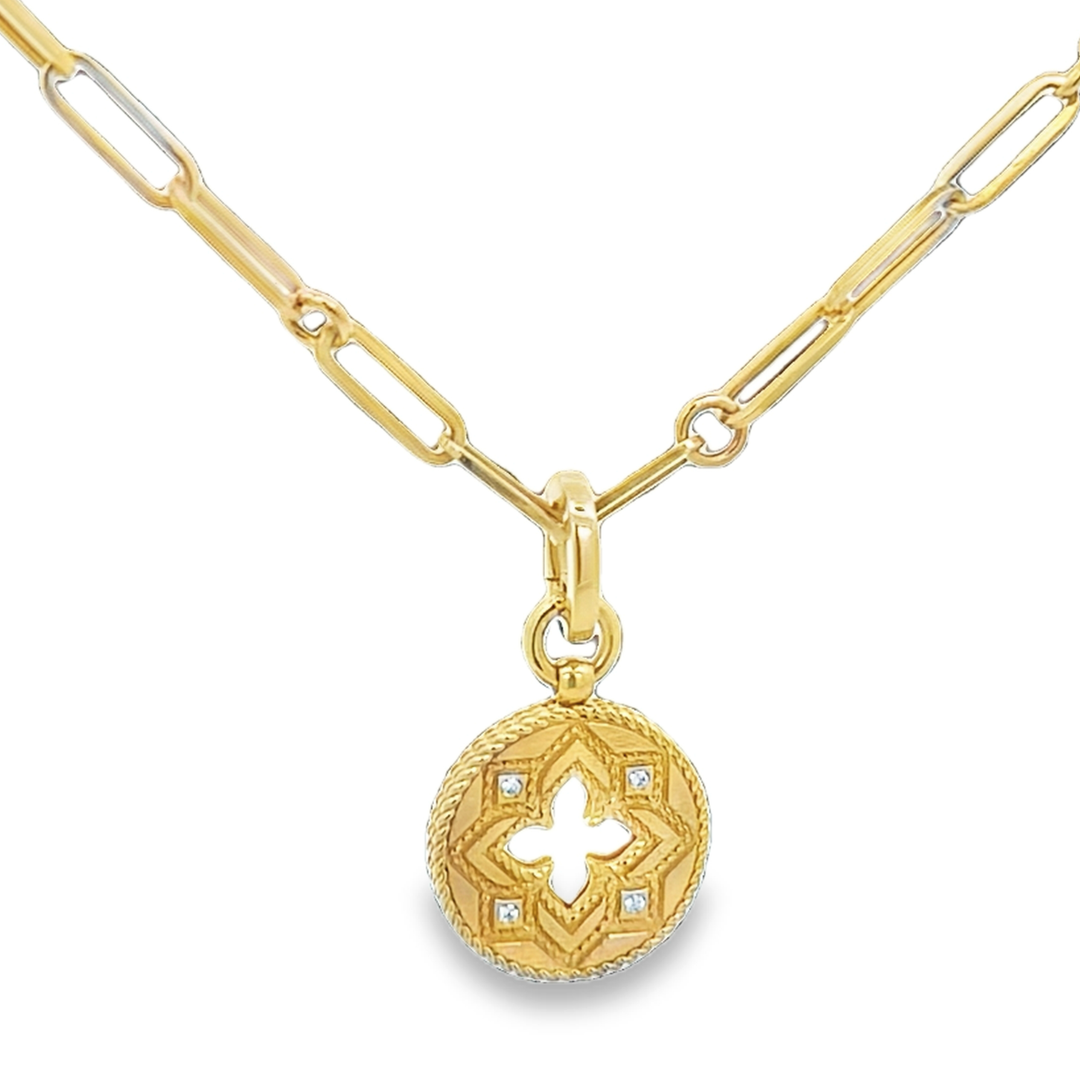
This applies to every piece of jewelry, including necklaces and pendants from Gabriel Fine Jewelers.
Daily Cleaning and Handling Practices
When you remove your fine jewelry at the end of the day, that's the perfect time to maintain its brilliance. A simple wipe-down with a soft, damp cloth removes oils, lotions, and debris that accumulate during wear. This quick habit—taking less than thirty seconds per piece—prevents buildup that can dull your diamonds and diminish the luster of precious metals.
Use a lint-free microfiber cloth specifically for jewelry care. Keep one in your jewelry box or on your vanity as a reminder. The gentle pressure of your fingers guiding the cloth across each surface lifts away the film left by hand creams, body oils, and environmental pollutants without scratching delicate settings or gemstone surfaces.
The Mild Soap Method for Deeper Cleaning
When your pieces need more than a quick wipe, the mild soap and warm water technique works safely for most fine jewelry. Fill a small bowl with warm (not hot) water and add just a drop or two of gentle dish soap—the kind you'd use on delicate glassware. Submerge your jewelry for 5-10 minutes to loosen stubborn residue.
After soaking, use an extra-soft toothbrush with gentle bristles to reach into crevices around prongs, under settings, and along intricate metalwork. The key word here is gentle—you're coaxing away dirt, not scrubbing a kitchen counter. Pay special attention to the underside of gemstones where oils concentrate and diminish light reflection.
Rinse each piece thoroughly under lukewarm running water. You'll notice an immediate difference in how light plays across clean surfaces compared to pieces with even minimal buildup. Pat dry with a clean, soft cloth and allow pieces to air dry completely before returning them to storage.
Pro tip: Place a small strainer or rubber mat in your sink before cleaning. This simple precaution prevents the heartbreak of watching a precious piece slip down the drain.
Chemicals That Threaten Your Investment
The products you use daily pose risks to fine jewelry. Household cleaners containing ammonia, bleach, or abrasive compounds can permanently damage both gemstones and precious metals. Chlorine—found in swimming pools, hot tubs, and some cleaning products—presents a particular threat to gold alloys, causing brittleness and potential breakage in settings.
Your beauty routine also demands attention. Apply perfumes, hairsprays, and lotions before putting on jewelry. These products contain alcohol and chemicals that create film buildup on gemstones and can react with certain metals. The same principle applies to sunscreen, which leaves a particularly stubborn residue on diamond surfaces.
Remove all fine jewelry before:
- Swimming in chlorinated pools or natural bodies of water
- Cleaning with household products
- Applying beauty products, perfumes, or hairspray
- Exercising or engaging in physical activities
- Showering or bathing
- Sleeping (to prevent accidental damage)
Understanding Ultrasonic Cleaners
Ultrasonic cleaners use high-frequency sound waves to create microscopic bubbles that dislodge dirt from jewelry surfaces. While these devices deliver impressive results for certain pieces, they're not safe for all gemstones.
Safe for ultrasonic cleaning:
- Diamonds (natural and lab-grown)
- Rubies
- Sapphires
- Most gold and platinum settings without delicate components
Avoid ultrasonic cleaning for:
- Emeralds
- Pearls
- Opals
- Turquoise
- Jewelry with glued-in stones
- Pieces with previous repairs using adhesives
When in doubt, ask your jeweler. It's better to be safe than sorry.
Proper Storage Techniques for Longevity
How you store your fine jewelry directly impacts its condition and lifespan. Proper storage prevents unnecessary damage, maintains brilliance, and protects your investment for years.
Store Each Piece Separately
Your jewelry needs breathing room. When pieces touch, they create friction that leads to scratches, dents, and dulled surfaces. Gold scratches gold, platinum scratches platinum, and diamonds—despite their hardness—can chip other gemstones and even damage other diamonds.
Necklaces deserve special attention. Storing multiple chains together creates tangles that can weaken delicate links, damage clasps, and cause permanent kinks in fine chains. You'll spend frustrating minutes (or hours) trying to untangle them, risking damage in the process.
Rings with prong settings pose another risk. When stacked together, prongs can catch on other pieces, potentially bending or loosening the settings that secure your stones. A bent prong means a vulnerable stone, and a vulnerable stone means potential loss.
Individual Compartments and Soft Pouches
Your jewelry box should function like a protective vault, not a communal drawer. Look for boxes with:
- Lined compartments that separate each piece
- Soft, non-abrasive materials like velvet, suede, or microfiber
- Individual sections sized appropriately for different jewelry types
- Secure closures that prevent pieces from shifting during storage
Soft fabric pouches work well as protective barriers for your most treasured pieces. These pouches shield jewelry from dust, light exposure, and accidental contact with other items. Use individual pouches for:
- Engagement rings and wedding bands when not wearing them
- Statement necklaces with delicate gemstones
- Vintage or heirloom pieces requiring extra protection
- Jewelry during travel to prevent damage in luggage
Anti-tarnish pouches offer additional benefits for sterling silver pieces, slowing the oxidation process that causes discoloration. These specialized pouches contain materials that absorb sulfur compounds in the air, keeping your silver bright between wears.
Create the Ideal Storage Environment
Temperature and humidity fluctuations accelerate tarnishing, weaken metal integrity, and damage certain gemstones. Your jewelry storage location matters as much as the container itself.
Choose a clean, dry space away from:
- Bathroom humidity that promotes tarnish and corrosion
- Direct sunlight that can fade colored gemstones and pearls
- Heat sources like radiators or heating vents
- Areas with temperature swings (attics, garages, window sills)
Bathrooms present particular challenges despite their convenience. Steam from showers increases moisture levels, creating an environment where metals tarnish faster and organic gemstones like pearls, opals, and coral can deteriorate. The constant humidity also affects the integrity of adhesives used in some jewelry settings.
A bedroom dresser or closet typically provides stable conditions. These locations maintain consistent temperatures and lower humidity levels compared to bathrooms or kitchens. You want your storage area to mirror the comfortable climate you prefer for yourself—not too hot, not too cold, and definitely not damp.
Jewelry Storage Tips for Specific Pieces
Different jewelry types require customized storage approaches:
Earrings benefit from earring cards, stands, or compartments that keep pairs together and prevent backs from getting lost. Post earrings should stand upright to avoid bending the posts.
Bracelets and bangles need adequate space to prevent warping. Don't force them into tight compartments.
Necklaces should be hung or laid flat in individual compartments to prevent tangling. Long necklaces can be coiled gently in soft pouches.
Rings with stones should be stored with the stone facing up to prevent pressure on the setting.
Concerned About Your Jewelry's Condition?
Schedule a complimentary inspection at Gabriel Fine Jewelers. Our expert jewelers will examine your pieces, check prongs, and ensure everything is secure.
Routine Professional Maintenance and Prong Checks
Your fine jewelry is a significant investment, and regular professional evaluation is your first line of defense against preventable damage. Think of these inspections like routine maintenance for your car—you wouldn't skip oil changes and expect your engine to run smoothly for years. The same principle applies to your precious pieces.
Why Regular Jeweler Inspections Matter
Prongs weaken over time. You wear your engagement ring daily, exposing it to countless bumps, snags, and pressures that gradually wear down the metal holding your stones in place. A professional jeweler can spot these subtle changes before they become serious problems. During a prong check, your jeweler examines each prong under magnification, looking for signs of wear, bending, or thinning that could compromise the security of your gemstones.
I've seen too many heartbroken clients who discovered a loose stone too late. One woman came to our Modesto showroom after losing the center diamond from her grandmother's ring—a loss that could have been prevented with a simple six-month inspection. The prong had worn thin, but she hadn't noticed until the stone was gone.
Scheduling Your Prong Checks
Schedule a professional evaluation every six months to a year, depending on how frequently you wear each piece. For jewelry you wear daily—like engagement rings, wedding bands, or favorite necklaces—stick to the six-month schedule. Pieces you wear occasionally can stretch to annual inspections.
High-priority items for regular prong checks:
- Engagement rings and wedding bands worn daily
- Heirloom pieces with sentimental value
- Rings with pavé or channel-set stones
- Jewelry featuring large center stones
- Pieces that have caught or snagged on clothing
Mark your calendar with specific dates for these appointments. Many jewelers, including Gabriel Fine Jewelers in Modesto, offer complimentary inspections for pieces purchased from their store. Take advantage of these services—they're designed to protect your investment.
The Value of Professional Cleaning Services
Professional cleaning goes far beyond what you can achieve at home. While your daily maintenance routine removes surface oils and lotions, professional cleaning reaches the hidden spaces where dirt accumulates over time. Jewelers use specialized equipment and solutions that restore the brilliance your pieces had when you first brought them home.
When you combine professional cleaning with your routine inspection, you get a comprehensive jewelry care experience. Your jeweler can:
- Remove built-up grime from hard-to-reach areas under settings
- Polish away minor surface scratches on metal
- Restore the original luster to dulled gemstones
- Steam-clean intricate details and filigree work
- Check clasps, hinges, and other mechanical components
This dual-purpose appointment saves you time and ensures nothing gets overlooked. The cleaning process also lets your jeweler examine your pieces more thoroughly, since clean jewelry reveals issues that might be hidden under layers of residue.
Recognizing When Repairs Can't Wait
Some situations demand immediate professional attention, regardless of your regular inspection schedule. If you notice any of these warning signs, stop wearing the piece and bring it to a qualified jeweler right away:
- A stone that moves or rattles when you touch it
- Visible gaps between the stone and its setting
- Bent or broken prongs
- Loose clasps that don't close securely
- Missing stones or obvious empty settings
- Significant scratches or dents in the metal
You might feel tempted to continue wearing a piece with a slightly loose stone, thinking you'll get it fixed "eventually." Don't make this mistake. Delaying repairs can lead to more extensive damage and costly fixes down the line. It's always better to address issues promptly rather than putting them off.
Special Considerations for Treated and Delicate Gemstones
Not all gemstones are created equal when it comes to durability and care requirements. Many colored gemstones—from vibrant emeralds to rich sapphires—have undergone treatments to enhance their color, clarity, or overall appearance. These enhancements, while beautiful, often make the stones more vulnerable to damage from everyday wear and cleaning practices.
Identifying Treated Gemstones in Your Collection
You need to know which pieces in your jewelry collection contain treated gemstones. Common treatments include heat treatment (used on sapphires and rubies to enhance color), oil or resin filling (typical for emeralds to improve clarity), and irradiation (applied to topaz and diamonds to alter color). When you purchase fine jewelry from Gabriel Fine Jewelers in Modesto, your jeweler will disclose any treatments. Keep this documentation with your jewelry records—it's your roadmap for proper care.
Emeralds deserve special attention. These green gems are almost always treated with oils or resins to fill natural fissures. Never expose emerald jewelry to ultrasonic cleaners, steamers, or harsh chemicals. Even hot water can draw out these oils, leaving your emerald looking cloudy or dull. Instead, use only lukewarm water with a drop of mild soap and a soft cloth for cleaning.
Heat Sensitivity and Light Exposure Risks
Heat sensitivity poses a real threat to many gemstones in your collection. Amethyst, citrine, kunzite, and topaz can all fade when exposed to prolonged sunlight or intense heat. You might notice your once-vibrant amethyst ring losing its purple intensity after years of daily wear in bright California sunshine.
Pearls and opals are particularly vulnerable to heat and dryness. These organic gems contain water within their structure, and exposure to heat sources—including hair dryers, curling irons, and even prolonged storage in heated environments—can cause them to crack or lose their luster. Always put on pearl jewelry after applying hairspray, perfume, and makeup to minimize chemical exposure.
Tanzanite presents another heat-related concern. While this blue-violet gem is heat-treated during processing to achieve its signature color, additional heat exposure can alter its appearance. Remove tanzanite jewelry before activities involving high temperatures, such as cooking over an open flame or sitting in a hot tub.
Cleaning Methods for Delicate Colored Stones
Sapphires and rubies, both varieties of the mineral corundum, rank second only to diamonds in hardness. This durability makes them relatively easy to care for, but you still need to exercise caution. Heat-treated sapphires and rubies—which represent the majority of these gems on the market—can be cleaned with warm soapy water and a soft brush. You can safely use ultrasonic cleaners on untreated or heat-treated corundum, but avoid these machines if your sapphire has been fracture-filled or diffusion-treated.
For opals, pearls, and coral, you need an even gentler approach:
- Wipe with a barely damp, soft cloth immediately after wearing
- Never soak these gems in water or cleaning solutions
- Avoid any brushing or scrubbing motions
- Store away from other jewelry that might scratch their softer surfaces
- Keep them away from cosmetics, perfumes, and acidic substances
Turquoise and lapis lazuli are porous stones that absorb liquids readily. Never immerse these gemstones in water or expose them directly to cleaning agents as it may cause irreversible damage. Instead:
- Use a dry cloth or soft brush to gently remove dirt or debris
- If necessary, spot clean with a damp cloth using minimal moisture
- Store turquoise and lapis lazuli pieces separately from other jewelry items to prevent scratching
- Avoid exposing these stones to harsh chemicals found in household cleaners or beauty products
By understanding the specific care requirements for treated and delicate gemstones, you'll be able to maintain their beauty over time while preventing potential damage caused by improper handling.
Choosing the Right Cleaning Products
The cleaning products you select for your fine jewelry can mean the difference between maintaining its brilliance and causing irreversible damage. You need to match the cleaner to your specific metal and gemstone combination, just as you wouldn't use the same shampoo for all hair types.
Gold Cleaning Products: What Works Best
Gold cleaning products come in various formulations, and you'll want to choose based on your gold's karat and color. For yellow gold, a simple solution of mild dish soap and warm water works well for routine maintenance. You can create this mixture at home by adding just a few drops of soap to a bowl of warm water.
Commercial gold cleaners designed specifically for precious metals offer a more thorough clean when you need it. Look for products that:
- Contain no ammonia or harsh chemicals that can weaken gold alloys
- Feature gentle surfactants that lift dirt without abrasion
- Include anti-tarnish agents to protect your pieces between cleanings
- Come with soft-bristled brushes designed for jewelry
White gold requires extra attention because of its rhodium plating. Avoid cleaners with harsh chemicals that strip this protective layer. Instead, opt for pH-neutral solutions specifically labeled safe for white gold. The rhodium plating gives white gold its distinctive shine, and aggressive cleaners accelerate the need for re-plating.
Rose gold presents unique challenges due to its copper content. You need cleaners that won't react with copper or cause discoloration. Stick with mild, non-acidic formulas that preserve the warm, pinkish hue that makes rose gold distinctive.
Platinum Jewelry Care Products
Platinum jewelry care demands different products than gold. Platinum is denser and more durable, but it still requires proper cleaning solutions to maintain its natural white luster. You'll notice platinum develops a patina over time—a soft, frosted appearance that many collectors prize.
For platinum pieces, you want cleaners that:
- Respect the metal's natural patina without stripping it completely
- Contain no bleach or chlorine-based ingredients
- Feature gentle polishing agents that restore shine without scratching
- Work effectively in lukewarm water (never hot, which can loosen settings)
Professional-grade platinum cleaners often include ingredients that fill in micro-scratches, creating a smoother surface that reflects light more evenly. You can use these products at home, following the manufacturer's instructions carefully.
Diamond-Safe Cleaning Solutions
Diamonds are the hardest natural substance, but their settings and the oils that accumulate on their surfaces require specific cleaning approaches. You can safely clean diamonds with:
Ammonia-based solutions diluted properly (one part ammonia to six parts water) work well for diamonds. The ammonia cuts through oils and residue that dull a diamond's sparkle. Soak your diamond jewelry for no more than 20 minutes, then gently scrub with a soft toothbrush.
Jewelry-specific foam cleaners provide convenience and effectiveness. These products create a thick foam that clings to the diamond's surface, breaking down buildup without requiring soaking. You simply apply the foam, let it work for the recommended time, and rinse thoroughly.
Steam cleaners are another option for diamonds, though you should use them cautiously. The high-pressure steam removes stubborn residue from hard-to-reach areas around the setting. Make sure your diamond has no inclusions or fractures that could expand under heat and pressure.
Colored Gemstone Cleaning Products
Colored gemstones demand a more delicate approach compared to diamonds due to their varying hardness levels and sensitivities to certain substances. Here are some effective cleaning methods tailored specifically for colored gemstones:
- Warm soapy water: For most colored gemstones such as amethyst, garnet, citrine and topaz, using a mixture of warm water and mild dish soap is usually safe and effective.
- Ultrasonic cleaners: While generally safe for many gemstones like sapphires or rubies, exercise caution as some stones may be sensitive to ultrasonic waves.
- Professional cleaning: When in doubt or dealing with particularly valuable pieces, always consult a professional jeweler who specializes in gemstone care.
Always test any new cleaning method on an inconspicuous area first before applying it directly onto your jewelry piece.
When to Consult a Jeweler for Repairs or Evaluation
Your fine jewelry pieces deserve professional attention at specific intervals and under certain conditions. Recognizing when to seek expert care makes the difference between a simple adjustment and a costly restoration.
Warning Signs That Demand Immediate Attention
Loose or rattling stones are the most urgent red flag. If you can move a stone with gentle pressure or hear it shifting in its setting, you're at risk of losing it completely. Stop wearing the piece immediately and bring it to a professional jeweler. The prongs holding your diamond or gemstone may have worn thin, bent, or broken—issues that worsen with continued wear.
Bent or damaged prongs often appear as small hooks that catch on fabric or hair. You might notice one prong sitting lower than the others or pointing in an odd direction. These compromised prongs can't secure your stones properly, making timing critical to prevent loss.
Visible gaps between the stone and its setting signal that the mounting has loosened. You shouldn't see space between the girdle of your diamond and the metal holding it. This separation means the setting no longer grips the stone securely.
Discoloration or tarnishing that doesn't respond to home cleaning methods indicates a deeper issue. White gold pieces may need rhodium replating, while persistent dark spots on silver or gold could suggest chemical damage requiring professional treatment.
Broken clasps or weakened chains create obvious risks. A necklace clasp that won't stay closed or a chain with kinked links needs repair before you lose the entire piece. These mechanical failures happen gradually but can result in sudden jewelry loss.
Establishing a Professional Maintenance Schedule
Schedule professional evaluations every six months for pieces you wear daily, such as engagement rings and wedding bands. These frequent inspections catch wear patterns before they become serious problems. Your jeweler examines prong thickness, checks for metal fatigue, and identifies early signs of damage invisible to the untrained eye.
Annual inspections work well for jewelry you wear occasionally—special occasion pieces, heirloom items, or seasonal accessories. This yearly check-up maintains their condition during periods of storage and ensures they're ready when you need them.
Bi-annual deep cleaning and inspection appointments at Gabriel Fine Jewelers in Modesto combine maintenance with professional care. During these visits, jewelers use specialized equipment to clean hard-to-reach areas, inspect settings under magnification, and document the condition of your pieces. This documentation proves valuable for insurance purposes and helps track changes over time.
The Value Protection Benefits of Timely Repairs
Acting quickly when you notice issues saves money. A loose prong costs significantly less to tighten than replacing a lost diamond. The repair might take minutes and cost under $50, while replacing even a small diamond can run into hundreds or thousands of dollars.
Preventing cascade failures is another advantage of prompt attention. One loose prong puts extra stress on the remaining prongs, accelerating their wear. A single bent prong can snag and damage other prongs, creating multiple repair needs. Addressing problems early stops this domino effect.
Your jewelry maintains its resale and sentimental value when properly maintained. Pieces with documented professional care histories command higher prices and demonstrate responsible ownership. For heirloom jewelry destined to pass through generations, consistent maintenance preserves both beauty and structural integrity.
Insurance claims become simpler when you maintain regular professional care records. Many insurance policies require periodic appraisals and maintenance documentation. If you need to file a claim for damage or loss, proof of proper care strengthens your position and may expedite the process.
Keep Your Fine Jewelry Beautiful for a Lifetime
Visit our Modesto showroom for professional jewelry care, inspections, and repairs. From prong checks to deep cleaning, we help preserve your treasured pieces.
FAQs About Fine Jewelry Care
You've learned the essential practices for maintaining your precious pieces, but you likely have specific questions about jewelry care and maintenance routines. These common concerns come up regularly at Gabriel Fine Jewelers, and we're here to provide clear, actionable answers.
How often should I have a prong check done by a jeweler?
Schedule a prong check every six months to a year to maintain the security of your gemstones. This frequency ensures that your stones remain securely held in their settings and significantly reduces the risk of losing them. If you wear your jewelry daily—particularly engagement rings or wedding bands—you might benefit from inspections on the more frequent end of this range.
Between professional visits, you can perform quick visual checks at home. Run your fingernail gently along the prongs. If you feel any snags or notice the prongs appear thin or bent, schedule an appointment immediately. Many jewelers, including Gabriel Fine Jewelers in Modesto, offer complimentary prong inspections as part of their customer service.
The small time investment in regular prong checks pays enormous dividends. A loose prong detected early might require a simple tightening, while a lost diamond necessitates both replacement and repair—a far more costly scenario.
Can I clean my diamond ring at home safely?
Yes, cleaning fine jewelry at home is perfectly safe when you follow the right methods. You can maintain your diamond ring's brilliance using a simple mixture of mild soap and warm water. Soak the ring for 15-20 minutes to loosen any buildup of oils, lotions, or everyday grime.
After soaking, gently scrub the ring with a soft-bristled toothbrush, paying special attention to the underside of the diamond where oils accumulate. The brush should be dedicated solely to jewelry cleaning—never use one that's been used for teeth or household cleaning. Rinse thoroughly under warm running water (make sure the drain is closed or use a strainer) and dry with a lint-free cloth.
What you should avoid: harsh chemicals, abrasive materials, ultrasonic cleaners without professional guidance, and hot water that could loosen settings. Household cleaners, chlorine bleach, and acetone can damage both the metal and certain gemstones. This home cleaning method works beautifully for diamonds set in gold or platinum, but you'll want to exercise caution with other gemstone types.
You can perform this gentle cleaning weekly or whenever you notice your diamond losing its sparkle. Between cleanings, simply wipe your jewelry with a soft, damp cloth after each wear to remove surface oils.
What should I do if I notice a loose stone in my fine jewelry piece?
Act immediately. The moment you detect a loose stone—whether you feel it moving, hear a rattling sound, or see visible gaps between the stone and its setting—stop wearing the piece. Continuing to wear jewelry with a loose stone dramatically increases the likelihood of losing that gemstone entirely.
Place the piece in a secure location, preferably a soft pouch or jewelry box where it won't be jostled. Contact your jeweler right away to schedule a repair appointment. At Gabriel Fine Jewelers in Modesto, we prioritize these urgent repairs because we understand the anxiety that comes with a compromised setting.
Are ultrasonic cleaners suitable for all types of gemstones?
Ultrasonic cleaners work well for certain gemstones like diamonds, rubies, and sapphires, but they're not safe for delicate stones such as pearls, opals, emeralds, or turquoise. Always consult your jeweler before using an ultrasonic cleaner on any fine jewelry piece, especially if you're unsure about treatments or the stone's sensitivity.
How can I properly store my fine jewelry while traveling to avoid damage?
When traveling, store your fine jewelry in its original packaging or a travel jewelry case with individual compartments to prevent scratches and tangling. Using anti-tarnish pouches or silica gel packets helps protect against moisture damage. Never pack jewelry in checked luggage—keep it with you in carry-on bags where you can monitor it.
When should I opt for professional cleaning services instead of home cleaning methods?
Professional cleaning is advisable for heavily soiled or tarnished pieces that cannot be cleaned effectively at home. It also ensures thorough care without risking damage, especially for delicate or treated gemstones requiring special attention. Combine professional cleaning with your routine inspection for comprehensive care.
Conclusion
Caring for fine jewelry doesn't have to be complicated. Simple daily habits, proper storage, and regular professional inspections keep your pieces beautiful and secure for years.
Remember: most jewelry damage is preventable. A quick wipe after wearing, storing pieces separately, and scheduling regular prong checks can save you from costly repairs and heartbreaking losses.
At Gabriel Fine Jewelers in Modesto, we're here to help you maintain your treasured pieces. Visit our showroom for professional inspections, cleaning services, and expert advice on caring for your specific jewelry collection.
Your fine jewelry deserves the same attention you'd give any valuable investment. With proper care, these pieces can last a lifetime and become heirlooms passed down through generations.
==================== EXCERPT (max 300 chars) Learn how to care for fine jewelry so it lasts a lifetime. Essential tips for daily cleaning, proper storage, prong checks, and professional maintenance from Gabriel Fine Jewelers in Modesto. Protect your investment and preserve your treasured pieces. PAGE TITLE (max 70 chars) How to Care for Fine Jewelry So It Lasts a Lifetime | Modesto META DESCRIPTION (max 160 chars) Essential fine jewelry care tips from Gabriel Fine Jewelers in Modesto. Learn daily cleaning, proper storage, prong checks, and professional maintenance to protect your investment and preserve treasured pieces. TAGS (comma-separated, 10 max) fine jewelry care Modesto, jewelry maintenance tips, prong check jewelry, professional jewelry cleaning, jewelry storage tips, diamond ring care, jewelry repair Modesto, jewelry inspection, treated gemstone care, jewelry care guide ====================